Are you curious about how to start knitting but don’t know where to begin? Whether you’re looking for a relaxing hobby, a creative outlet, or a way to make handmade gifts, knitting is a beautiful and rewarding craft to learn. In this beginner’s guide, we’ll walk you through everything you need to get started — from choosing your materials to knitting your very first stitches.
Why Learn to Knit?
Knitting offers more than just cozy scarves and handmade gifts. It’s also known to:
Reduce stress and anxiety
Boost focus and mindfulness
Provide a sense of accomplishment
Connect you to a vibrant community of makers
Plus, it’s fun! 🧵
What Do You Need to Start Knitting?
Before you start, you’ll need a few essential tools. Don’t worry — you only need the basics to begin.
1. Yarn
Start with a medium-weight (worsted) yarn in a light color. It’s easier to see your stitches and work with as a beginner. Choose something soft and smooth, like cotton or a wool blend — nothing too fuzzy or slippery.
2. Knitting Needles
For beginners, straight needles are a great place to start. They’re simple, intuitive, and perfect for flat projects like scarves, dishcloths, and blanket squares. We recommend starting with US size 8 / 5mm needles, which pair well with medium-weight yarn and are easy to handle.
However, there’s also another popular option: circular needles.
Circular needles consist of two short needle tips connected by a flexible cable. While they’re often used for knitting in the round (like hats or cowls), they can also be used for flat knitting. Many knitters prefer circulars because they’re easier on the wrists, more compact to carry, and help distribute the weight of your project.
3. Scissors & Tapestry Needle
You’ll need small scissors to cut your yarn and a tapestry needle (a blunt needle with a large eye) for weaving in ends when your project is finished.
Optional but helpful: Stitch markers, measuring tape, and a project bag. Feel free to check our Knitting Craft Essentials List.
🧶 Not sure which to choose? Don’t worry — we’ll cover the differences (and when to use each) in an upcoming blog post: Straight vs. Circular Knitting Needles: Which Should You Use?
Basic Knitting Terms You Should Know
Here are a few key terms to understand before you begin:
Cast On – Starting your stitches on the needle
Knit Stitch (K) – The most basic and essential stitch
Purl Stitch (P) – The second basic stitch; creates texture
Bind Off (or Cast Off) – How you finish your work
Gauge – How many stitches and rows per inch; important for sizing
Don’t worry — you’ll pick these up quickly with practice!
Step-by-Step: How to Start Knitting
Ready to try it? Follow these simple steps:
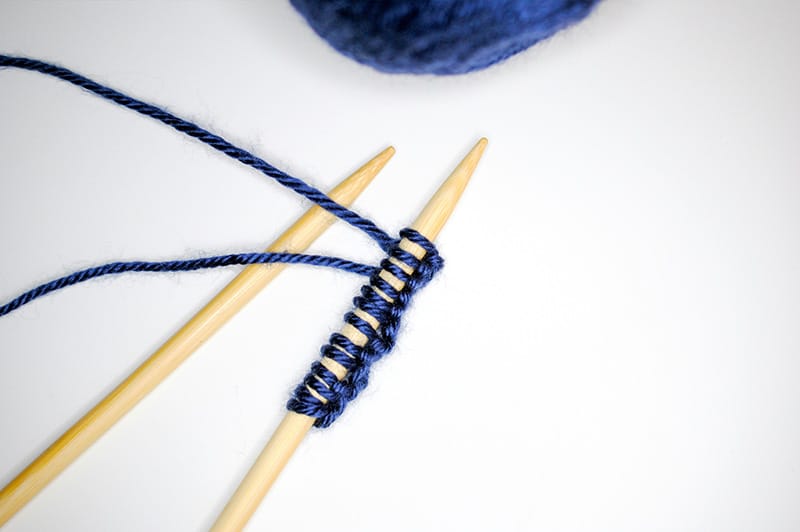
This is how you start your project. The long-tail cast on is a popular method for beginners. You’ll create a slipknot and loop yarn onto your needle to form the base row of stitches.
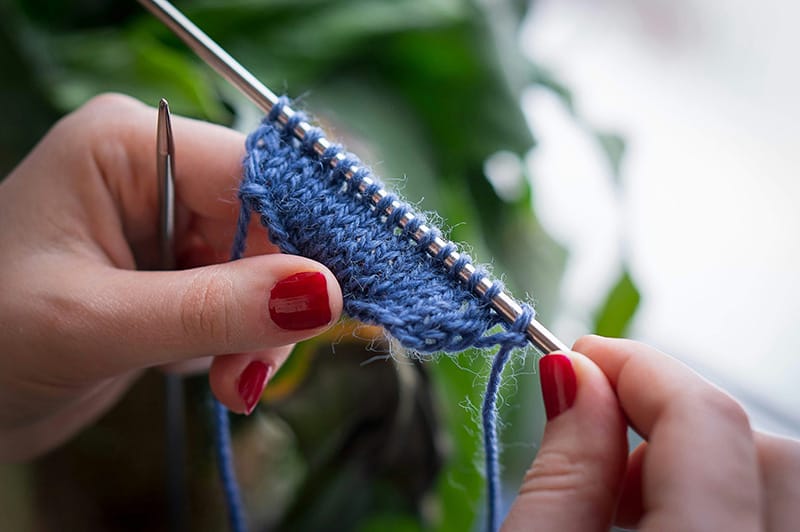
Hold the yarn in the back and insert the needle into the stitch from front to back. Wrap the yarn, pull it through, and slide off the old stitch. Congratulations — you just made your first knit stitch!
Step 3: Practice the Purl Stitch - Watch Video
Purling is similar but done with the yarn in the front. It creates a bumpier texture and is the foundation for many patterns.
Step 4: Keep Practicing
Start by knitting small squares or rectangles. This helps you get comfortable with tension, counting stitches, and holding your yarn.
Step 5: Bind Off
Once you’re done, bind off to secure your stitches. It creates a clean edge and stops your work from unraveling.
Learn How To Knit
Learn how to Knit: 9 Easy Mini Tutorials for Beginners
How to Cast On Knitting for Beginners | Easy Long Tail Cast On Tutorial
How to Knit for Absolute Beginners | Step-by-Step Knit Stitch Tutorial
How to Purl for Beginners | Easy Step-by-Step Purl Stitch Tutorial
How to Knit Stockinette Stitch | Easy Knitting for Beginners
How to Knit Garter Stitch | Easy Knitting Pattern for Beginners
How to Knit Ribbing | 1x1 & 2x2 Rib Stitch for Beginners
How to knit English and Continental Style | Knitting Techniques
How to Cast Off Knitting | Bind Off Your Knitting Neatly & Easily
How to Knit in the Round | Circular Needles & Magic Loop for Beginners
Easy Knitting Projects for Beginners
Once you’ve got the basics, try one of these simple first projects:
Scarf – Great for practicing rows and learning consistency
Dishcloth – Quick, useful, and easy to finish
Headband – A short and satisfying wearable
Simple Blanket Squares – Perfect for building confidence
These small wins will build your skills and motivate you to keep going.
Common Beginner Mistakes (and How to Avoid Them)
It’s completely normal to make mistakes when you start. Here are a few to watch out for:
| Mistake | How to Avoid It |
|---|---|
| Dropping stitches | Count your stitches every few rows |
| Tension too tight or loose | Relax your hands and practice evenly |
| Twisted stitches | Make sure you’re inserting the needle correctly |
| Giving up too soon | Be patient — it gets easier with time! |
Knitting FAQ for Absolute Beginners
❓ How long does it take to learn knitting?
You can learn the basics in a day, but becoming confident takes a few weeks of regular practice.
❓ Is knitting expensive to start?
Not at all! You can get everything you need to begin for under £20. Feel free to check our Knitting Craft Essentials List.
❓ Can left-handed people knit?
Absolutely! You can mirror standard tutorials or find left-handed ones online.
Final Thoughts: Start Slow and Enjoy the Journey
Knitting is a beautiful blend of creativity and calm. Don’t worry about being perfect. With each stitch, you’ll get better — and soon you’ll be creating pieces you’re truly proud of.
Ready to Start Knitting?
Grab your yarn and needles, find a cozy corner, and give it a try. You’re only a few stitches away from a brand-new hobby that could last a lifetime. 🧶✨
